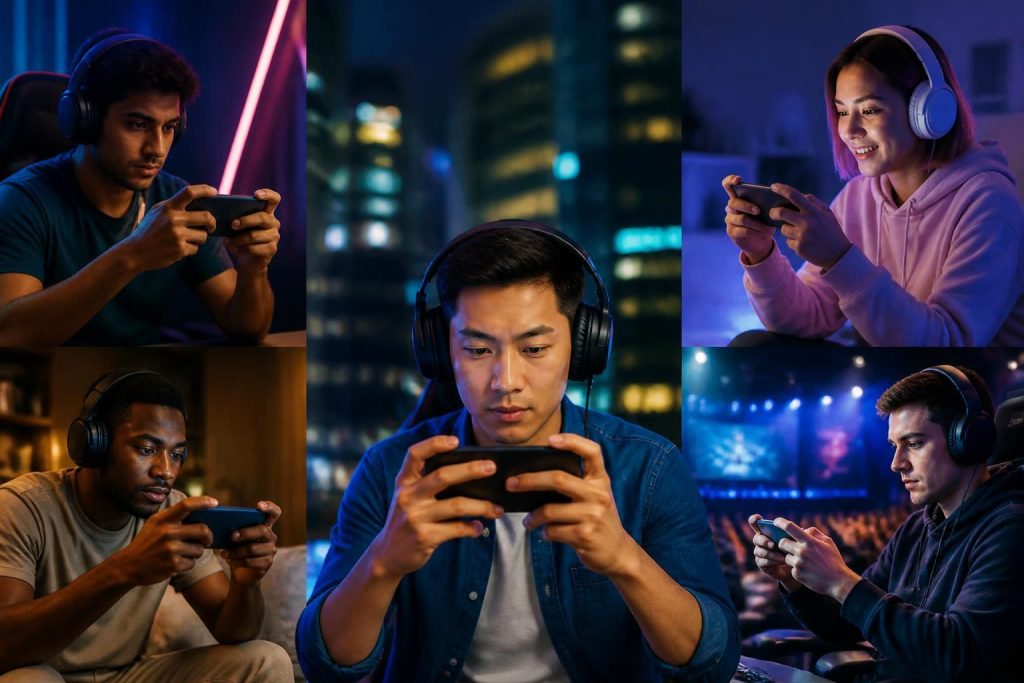
Mobile gaming trends are rapidly evolving, reflecting diverse regional shifts and player preferences. As smartphones become increasingly sophisticated and accessible, gaming on the go offers unique opportunities for developers and players alike. The preferences and gaming habits across different cultures reveal much about what users want, pushing the boundaries of mobile gaming into new territories.
Regional Preferences in Mobile Gaming
Mobile gaming trends demonstrate significant regional variances in player preferences. In Asia, for instance, the gaming landscape is heavily dominated by multiplayer online battle arena (MOBA) games and battle royale titles. Popular games like League of Legends: Wild Rift and PUBG Mobile have taken the market by storm, enabling gamers to connect in real-time across vast networks. These genres foster social interactions and competitive play, appealing to the communal nature of gaming in that region.
Conversely, in North America and Europe, there is a marked inclination towards casual gaming experiences, such as puzzle and simulation games. Titles like Candy Crush Saga and The Sims Mobile reflect a growing preference for games that provide a quick, enjoyable escape. This dichotomy underscores how cultural factors influence gaming preferences and the types of mobile experiences that are favored in different parts of the world. Additionally, the rise of social and casual gaming can be attributed to the burgeoning integration of social media, where players share their achievements and invite friends to join.
The Impact of Technology on Mobile Gaming Trends
Advancements in mobile technology are a driving force behind current mobile gaming trends. The rollout of 5G technology is set to transform the gaming experience, offering faster download speeds and reduced latency. As developers optimize their games for these improvements, players can expect smoother graphics and real-time interactions. This technological shift could lead to a significant uptick in the popularity of cloud gaming services, allowing players to stream high-quality titles directly to their mobile devices without the need for powerful hardware.
Moreover, the integration of augmented reality (AR) is reshaping how games are experienced on mobile devices. Following the success of games like Pokémon GO, there is a growing interest in AR technology as it transforms real-world environments into interactive gaming experiences. This trend is not just about gameplay mechanics; it also enhances social interaction, with players exploring their surroundings together in search of in-game rewards.
Player Engagement and Monetization Strategies
As mobile gaming trends evolve, developers are increasingly focused on player engagement and monetization strategies. The freemium model, where games are offered for free with in-app purchases, has become the standard for many mobile titles. This approach allows developers to reach a broader audience while generating revenue through cosmetic upgrades and additional content. However, the challenge lies in creating a balanced experience that retains player interest without frustrating them with excessive monetization tactics.
In this context, innovative payment methods are gaining traction. The rise of digital currencies has led to alternative monetization avenues, evidenced by the growing interest in crypto betting. Such options cater to a new demographic of players who prefer the anonymity and security offered by cryptocurrencies. While this trend is still emerging, it reflects an adaptation to changing financial landscapes within the gaming community. For more on this topic, see https://stakeobet.com/crypto-betting.
The Role of Community and Social Interaction
Community is at the heart of many successful mobile gaming trends. As players increasingly seek social experiences, games with strong community features tend to thrive. Multiplayer games that encourage collaboration and competition foster a sense of belonging among players. Voice chat functionalities and social media integrations enable users to interact more directly, leading to more immersive experiences.
Furthermore, the influence of content creators and streamers cannot be overlooked. Platforms like Twitch and YouTube have become essential for promoting mobile games, with influencers sharing their gameplay experiences and engaging with their audiences. This word-of-mouth marketing is particularly effective in attracting new players and sustaining interest in existing games. Developers increasingly collaborate with these content creators to reach wider audiences and build vibrant gaming communities.
Future Directions in Mobile Gaming Trends
Looking ahead, mobile gaming trends are poised for further evolution as technology and player preferences continue to develop. The growing emphasis on inclusivity and accessibility points towards a future where games are designed for all types of players, regardless of ability or experience. This shift can be seen in recent titles that incorporate adaptive features and diverse character representations to better reflect their audiences.
Additionally, as concerns about data privacy and security increase, developers will likely prioritize user safety in their designs. This commitment to safeguarding players can lead to innovative solutions that enhance both the gaming experience and player trust. As mobile gaming grows in significance on a global scale, these trends will shape the industry’s future trajectory.
In conclusion, mobile gaming trends illustrate a dynamic landscape influenced by regional preferences, technological advancements, and evolving player expectations. From the rise of community-driven experiences to innovative monetization strategies, understanding these shifts is crucial for developers and players alike. As the industry continues to innovate and expand, staying attuned to these trends will remain essential for anyone involved in mobile gaming.